With an experienced bioanalysis team, advanced analytical instruments, whole-process electronic management, and reliable GLP quality control system, JOINN Analysis and Bioanalysis Department provides high-quality customized bioanalytical services from preclinical, IND-enabling and NDA application, covering small molecule drugs, monoclonal antibodies, bispecific antibodies, antibody-drug conjugates, enzymes, cell and gene therapies, and vaccines, etc, biomarkers, immunogenicity, and cell-based assays.

Compound Types: Small-Molecule Pharmaceuticals, Targeted Therapeutics, Special Formulations
Assays: plasma, serum, urine, tissues, etc.
Core Technologies: UPLC-MS/MS, HPLC-HRMS, GC-MS/MS, ICP-MS
Technical Advantages: LLOQ (Lower Limit of Quantitation) reaches ppb level, excellent matrix effect control, and method reproducibility and accuracy fully satisfy global registration standards.
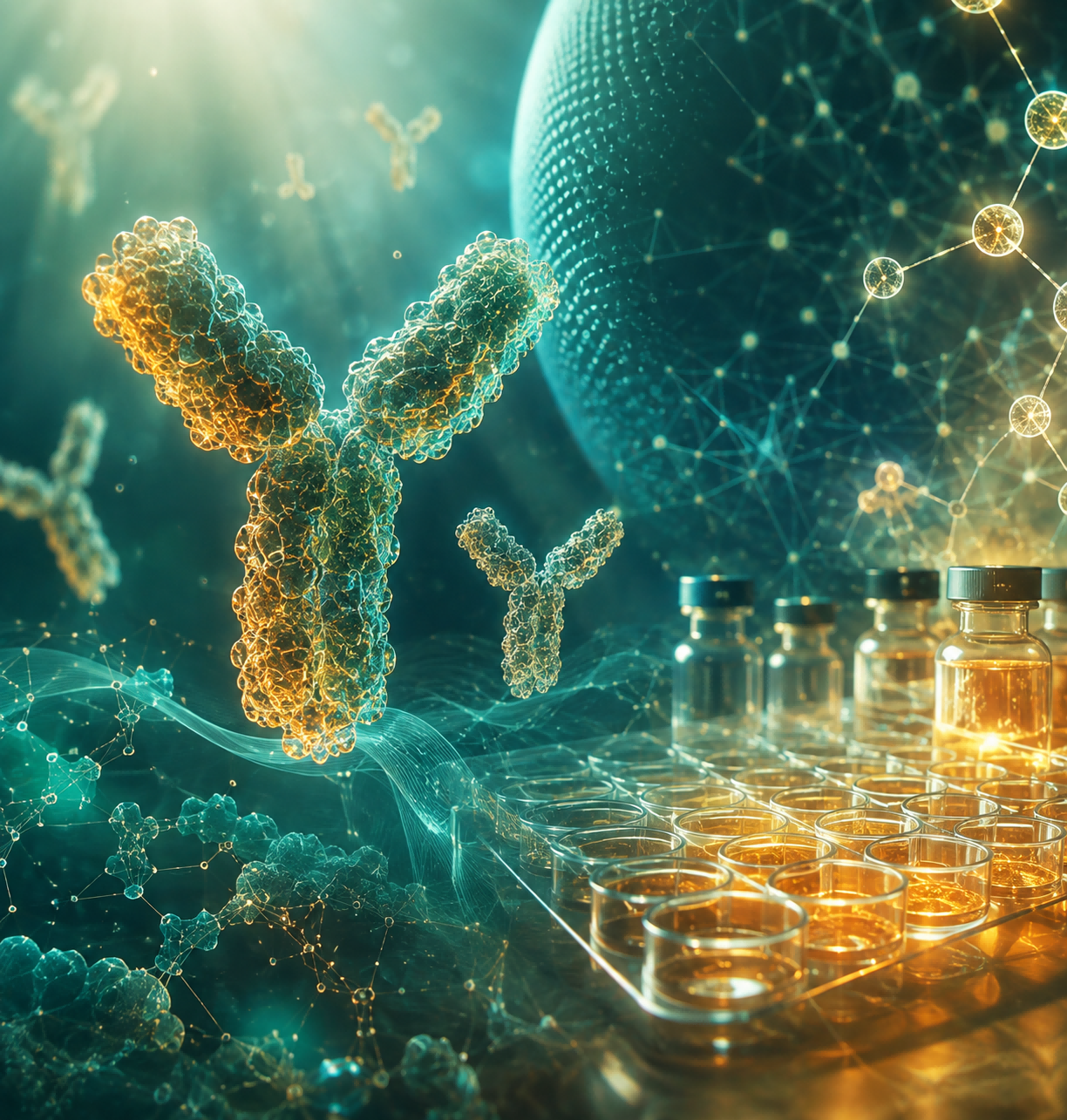
Therapeutic Modality: Monoclonal Antibodies, ADCs, Bispecific Antibodies, Proteins, Peptides
Core Technologies: ELISA, ECL, LC-MS/MS, Western Blot
Technical Advantages: Proprietary antibody screening and method optimization deliver strong specificity and low background signals, enabling accurate quantitation of large biomolecules within complex matrices.

Therapeutic Modality: CGTs (cell and gene therapy products), CAR-T, viral vectors, oligonucleotides.
Core Technologies: qPCR (Quantitative Real-Time PCR), dPCR (Digital PCR), FACS (Flow Cytometry), isotope-labeled tracing, IHC (Immunohistochemistry)
Technical Advantages: Strong adaptability to state-of-the-art technologies, high quantitative precision, full compliance with technical requirements for IND submissions of cell and gene therapeutics.
Therapeutic Modality: Pharmacologically active drugs, biological products.
Core Technologies: Coagulation time measurement, enzyme kinetic detection, cell viability assays, etc.
Technical Advantages: precisely evaluate the biological effects of investigational products, provide scientific evidence for pharmacodynamic assessment and dose optimization.
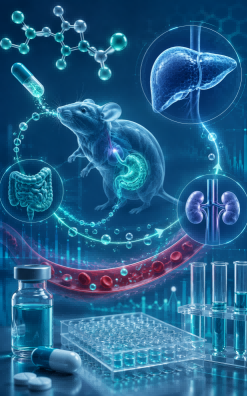
We have built a full-spectrum technical platform compatible with small molecules, biomacromolecules, ADCs and oligonucleotide therapeutics, capable of undertaking a comprehensive range of new drug projects including in vivo PK/TK studies, metabolite identification, purity testing and elemental metal analysis.
• Plasma Protein Binding Assays
• Stability & Metabolite ldentification
• Metabolic Phenotyping Analysis
• Transporter Studies
• Drug-Drug Interaction Studies

Animal Models
• Rodents: Mice, rats, guinea pigs, etc. (standard PK models for small-molecule drugs)
• Non-Rodents: Rabbits, Beagle dogs, minipigs, non-human primates (preferred models for large-molecule and novel advanced therapies)
• Specialized Models: Juvenile animals (dedicated PK studies for pediatric therapeutics)
Administration Routes
• Full-spectrum administration routes: Intravenous injection, oral gavage, transdermal, ocular, inhalation, orthotopic injection, etc.
Core Studies
• PK: Cmax, Tmax, t1/2, CL, Vd.etc
• Tissue Distribution & Excretion Studies
• In Vivo Metabolite Identification
• Bioequivalence (BE)/Bioavailability Studies

Client Pain Points
The drug exhibits high lipophilicity and minimal polarity, resulting in low systemic exposure and ultra-low plasma drug concentrations in vivo. Conventional LC-MS/MS assays lack sufficient detection sensitivity, with LLOQs unable to accommodate low-concentration samples. In addition, prior PK data collection and documentation were non-standard, and incomplete data packages failed to satisfy NMPA registration criteria and could not be directly submitted for IND applications.
Client Pain Points
Conventional standalone ELISA assays deliver poor specificity, severe plasma matrix interference and narrow linear dynamic ranges. High and low concentration samples require serial dilution testing, which cannot meet high volume clinical sample testing demands spanning wide concentration ranges. Generated testing data failed to satisfy overseas clinical registration requirements.
Client Pain Points
No mature technical solutions existed for in vivo quantitation and distribution detection of CAR-T cells.